
Did you know there is a difference between a house that looks good and a home that feels right? The most beautiful spaces are created intentionally. They reflect how you live, what you value, and how you move through your day. At The Refined Nest, we believe great interior design isn’t about following trends—it’s about creating a home that works for you.
Let’s talk about how to design a space that not only looks elevated but feels effortless.
1. Start with How You Live (Not Just How You Want It to Look)
All good things start at the beginning so before moving a single piece of furniture or choosing a color, take a step back and go to the beginning of the creation cycle.
Let’s evaluate your daily routines.
- Where do you naturally drop your keys, bag, or shoes?
- How do you move through your kitchen when cooking?
- Where do you sit to relax at the end of the day?
- What feels inconvenient or inefficient right now?
Your home should support these patterns—not fight them.
For example, if you’re constantly walking across your kitchen to grab essentials, your layout isn’t working for you. If your bedroom feels cluttered and stressful, it’s likely not aligned with how you need to unwind.
Design starts with awareness.
2. Rethink Your Furniture Layout for Flow
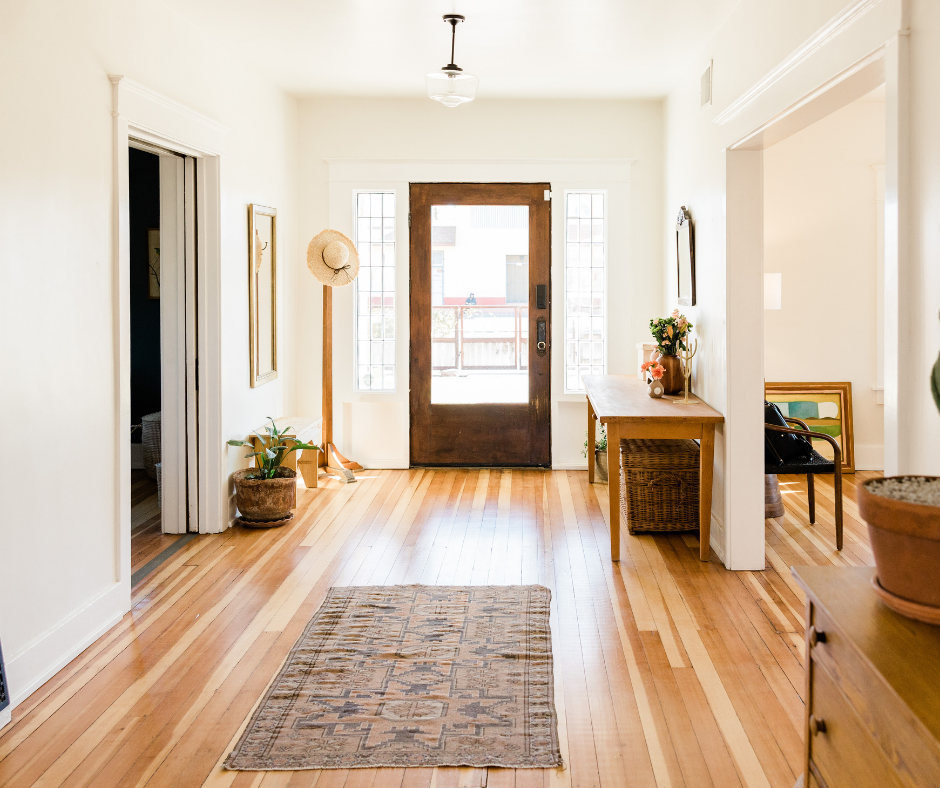
One of the most overlooked elements in interior design is movement. How you walk through a space—your “traffic pattern”—has a direct impact on how functional and calm your home feels.
A few guiding principles:
- Create clear pathways. Avoid placing furniture where it interrupts natural movement.
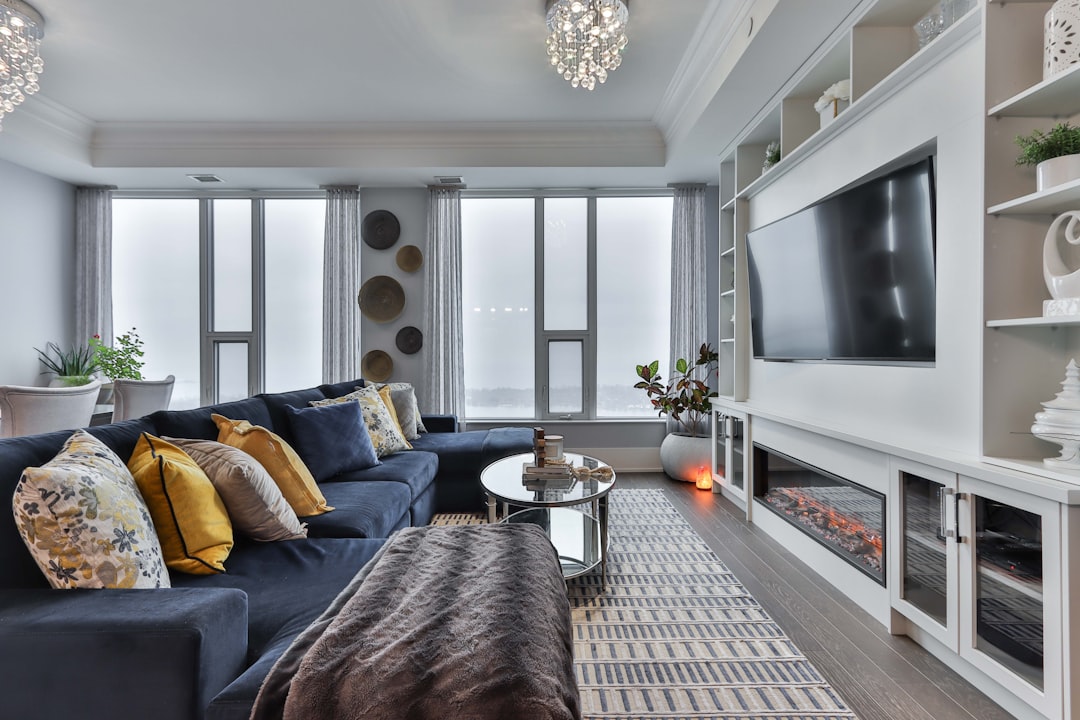
- Anchor your spaces. Every room should have a focal point (a fireplace, a bed, a statement piece) that organizes the layout.
- Float when needed. Don’t always push furniture against walls—bringing pieces inward can create more intentional, conversational spaces.
- Scale matters. Oversized furniture in a small room (or vice versa) creates visual and physical imbalance.
Every step within your home should feel intuitive – create a well-designed traffic pattern or furniture layout to maximize success. It feels natural to move in these well planned ways.
3. Minimize Wasted Time with Smarter Layouts
- Keep frequently used items within arm’s reach of where you use them.
- Group tasks—prep, cooking, and cleanup zones should flow logically.
- Avoid over-cluttering countertops; it slows you down visually and physically.
- Place nightstand essentials where you don’t have to search for them.
- Ensure your closet is organized by how you dress (daily wear front and center).
- Keep pathways clear to start and end your day without friction.
- Store items based on routine—morning vs. evening.
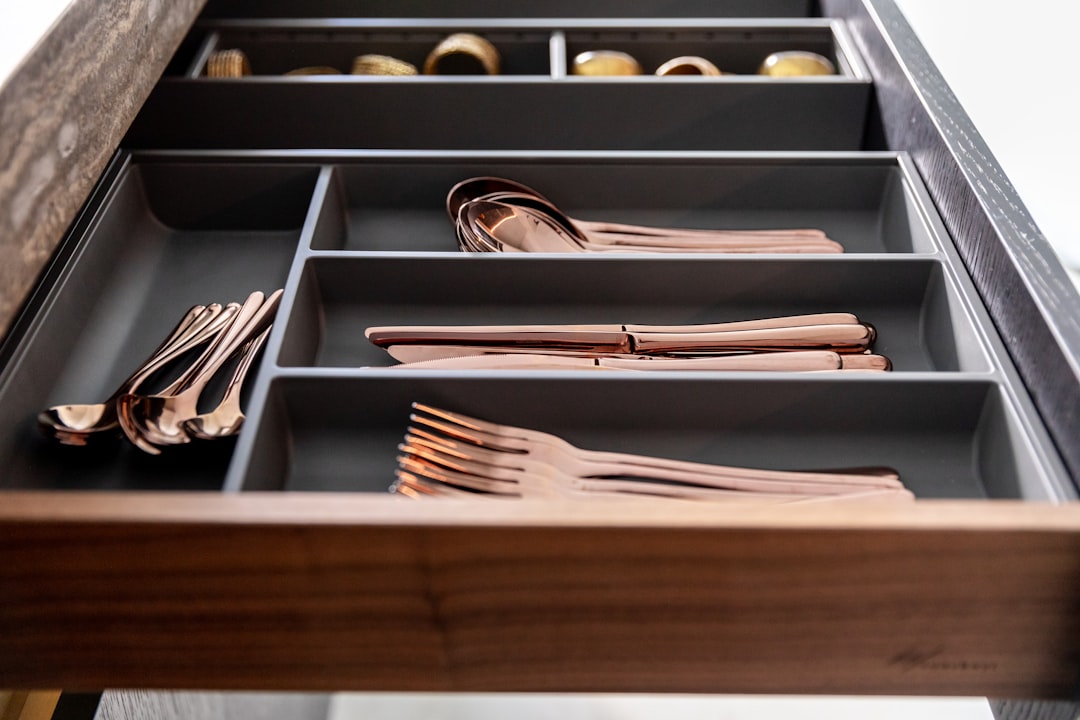
- Use drawer organizers to eliminate “digging” for products.
- Keep surfaces clean and minimal for a calm start to your day.
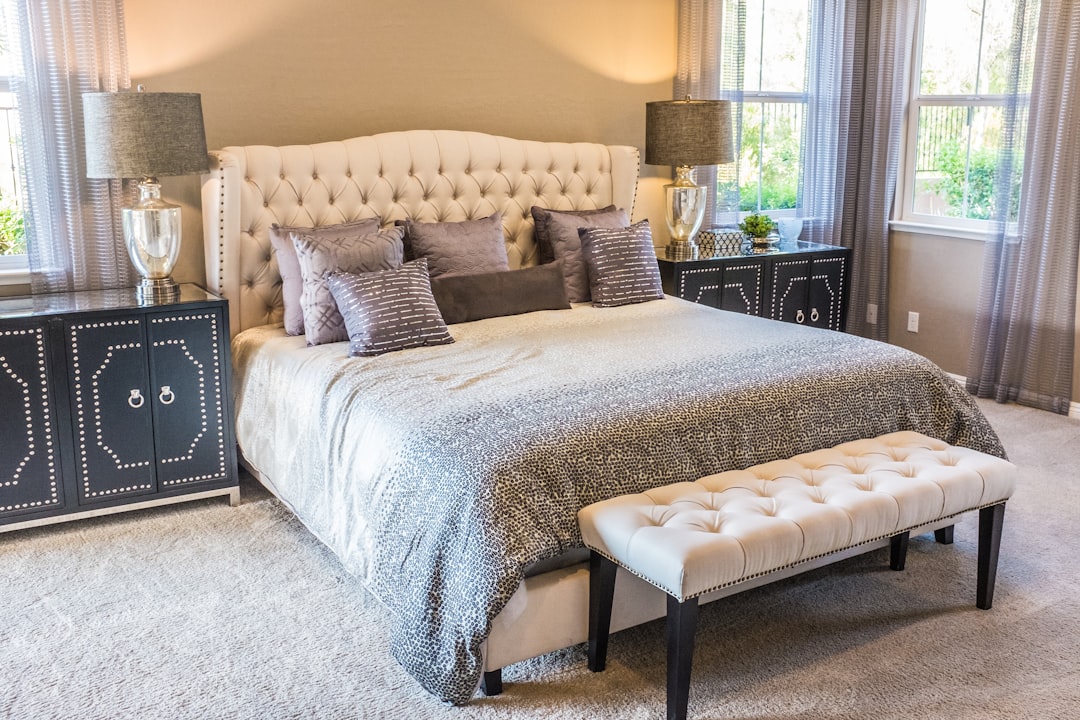
4. Color is more than Aesthetic - It's Emotional
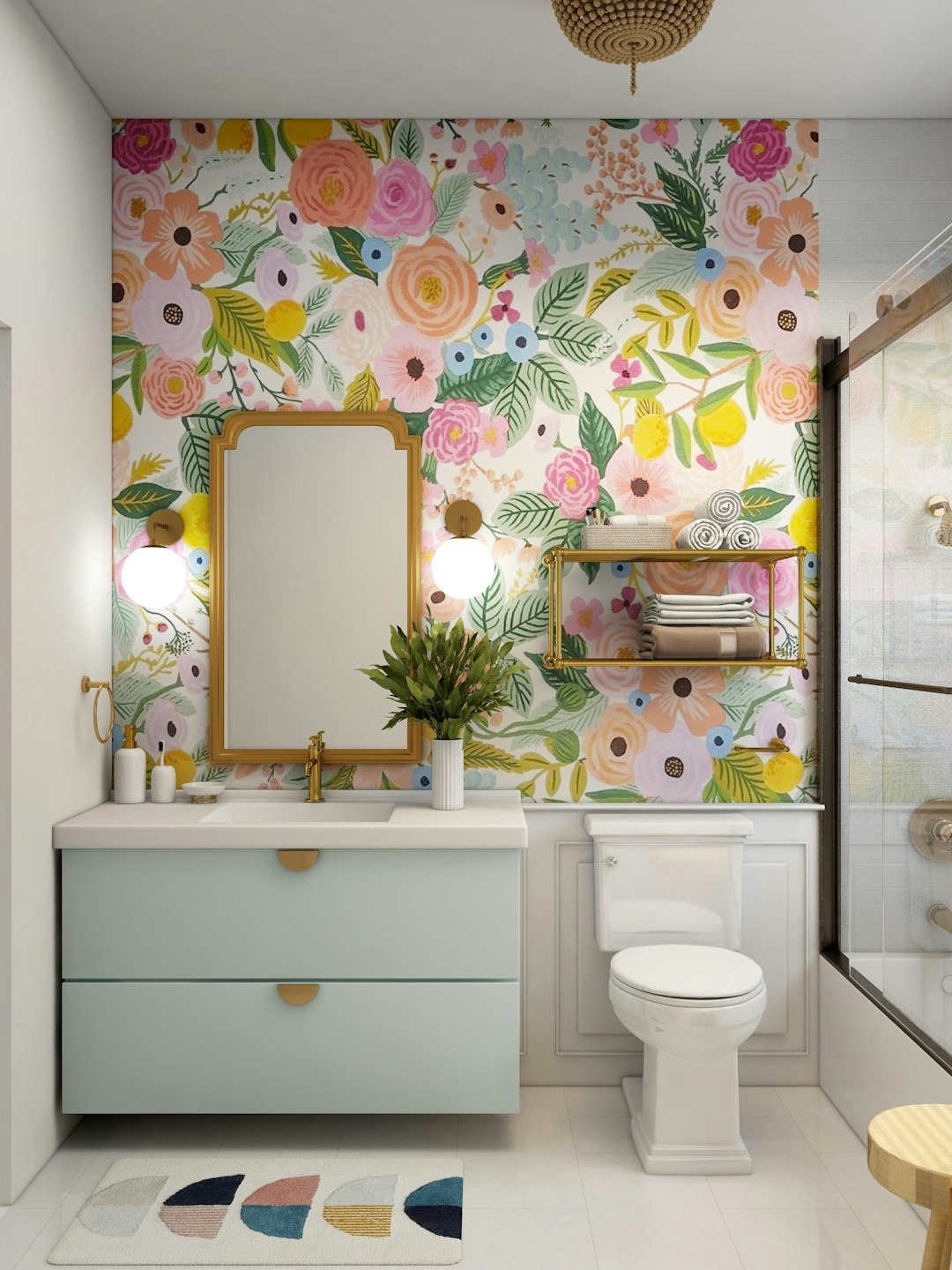
Color sets the tone for how a room feels, often before you even realize it.
- Soft neutrals create calm, especially in bedrooms and living areas.
- Deep, moody tones add richness and sophistication.
- Warm hues feel inviting and grounded.
- Cool tones can feel clean, airy, and expansive.
Knowing what colors resonate with you and not choosing a color just because it’s trending, is key. Your home should feel like a reflection of your personality—whether that’s serene and minimal, bold and layered, or somewhere in between.
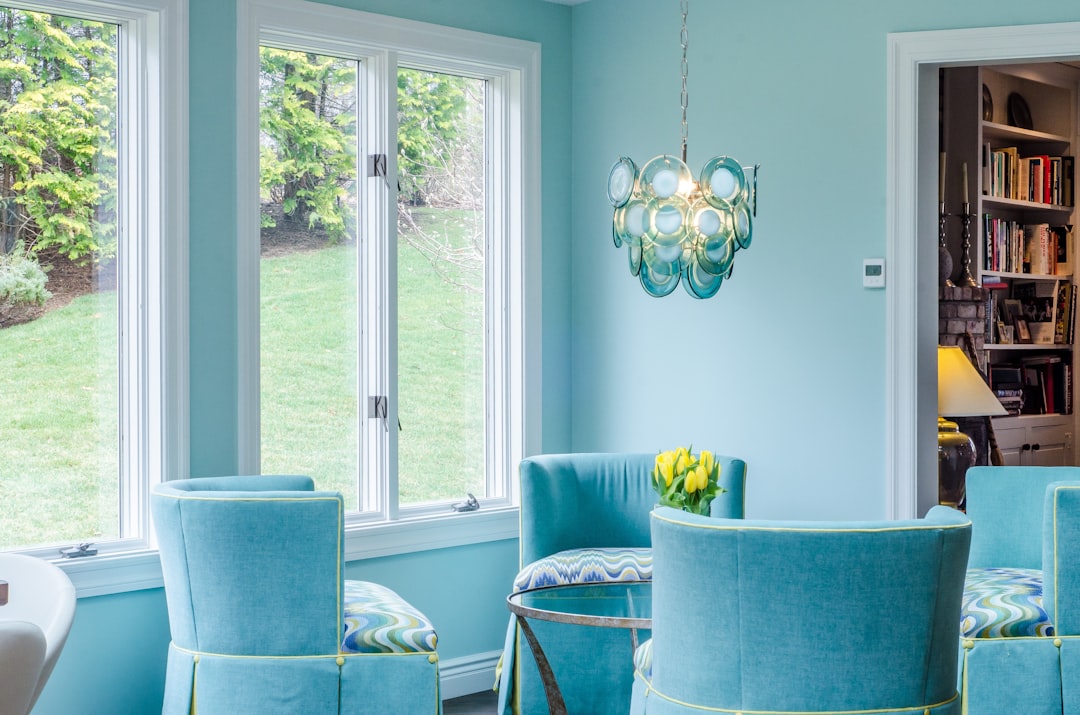
5. Furniture Tells a Story - Make It Yours
Every piece you bring into your home contributes to the overall narrative.
Ask yourself:
- Does this piece serve a purpose?
- Does it fit the scale of the room?
- Does it align with the feeling I want in this space?
A cohesive home doesn’t mean everything matches—it means everything belongs. Make sure you are using furniture and finishes that work together and not against each other. Sometimes it might mean opting to get rid of some items and purchase something new in order to enhance the feeling or vibe you are developing.
Mixing textures, materials, and styles can create depth, but it needs to be done intentionally. A rustic mountain home, for example, naturally lends itself to warm woods, layered textiles, and organic elements. A more modern home might lean into cleaner lines and refined finishes.
Your home already “implies” a certain style based on its architecture—your job is to enhance it, not compete with it.
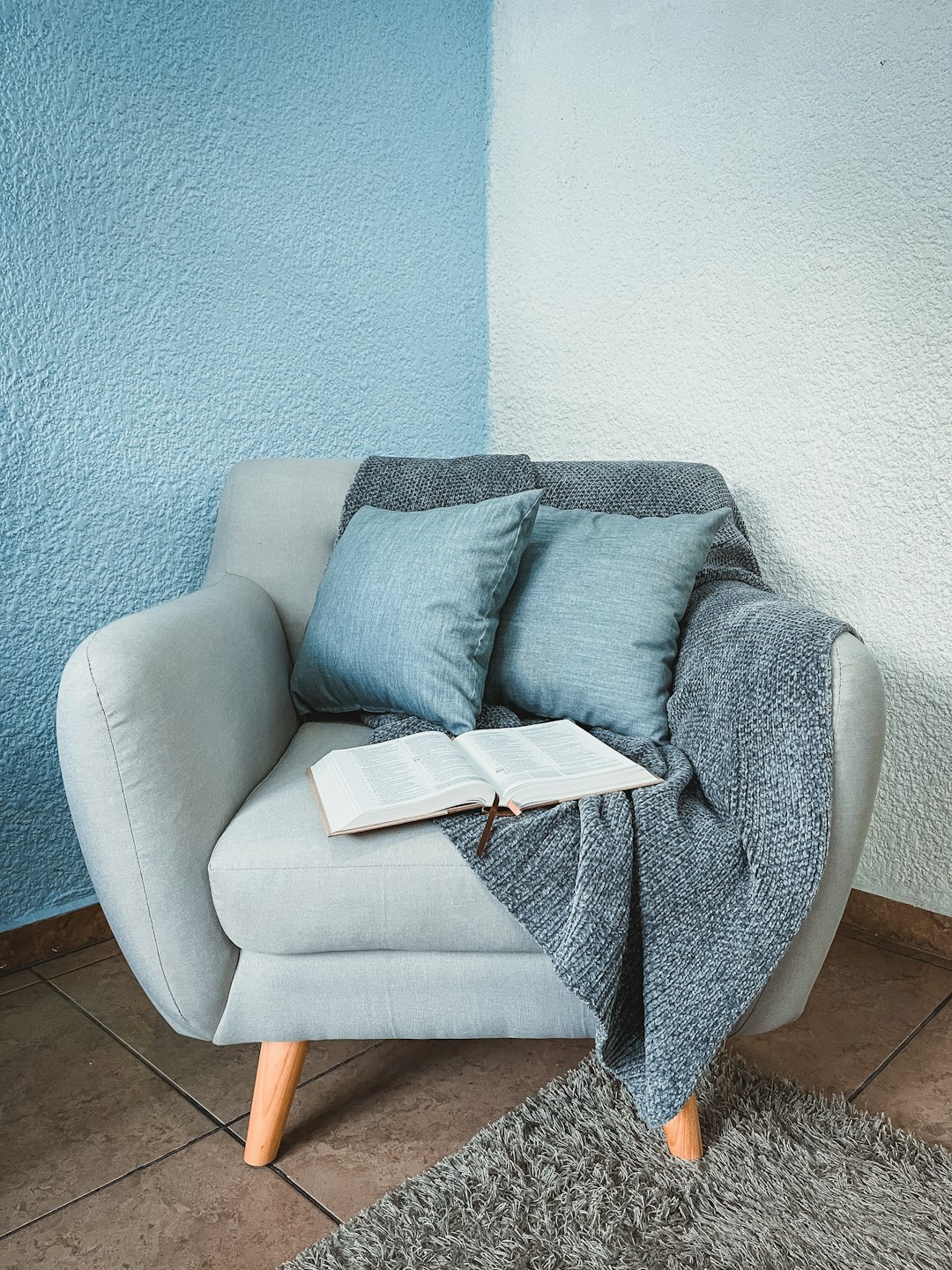
6. Your Home Should Feel Effortless
At the end of the day, the goal isn’t perfection—it’s alignment.
When your layout makes sense, your furniture fits, your colors feel right, and your home supports your daily life, everything becomes easier. You move through your day with less stress, less clutter, and more clarity.
That’s what it means to design a home that feels like you.

Final Thoughts:
At The Refined Nest, we specialize in creating spaces that are not only beautiful, but intentional—homes that work for your lifestyle while elevating every detail.
If your home isn’t feeling quite right, it’s not about starting over—it’s about refining what’s already there.
Let’s create a space that truly feels like home.