
Do you realize that the color of a room can support your Psychology? Have you ever considered that the colors of your home can create happiness, calm or chaos? Let's breakdown some of the simple details of color and psychology together and talk about why choices in our color selections should be considered carefully.
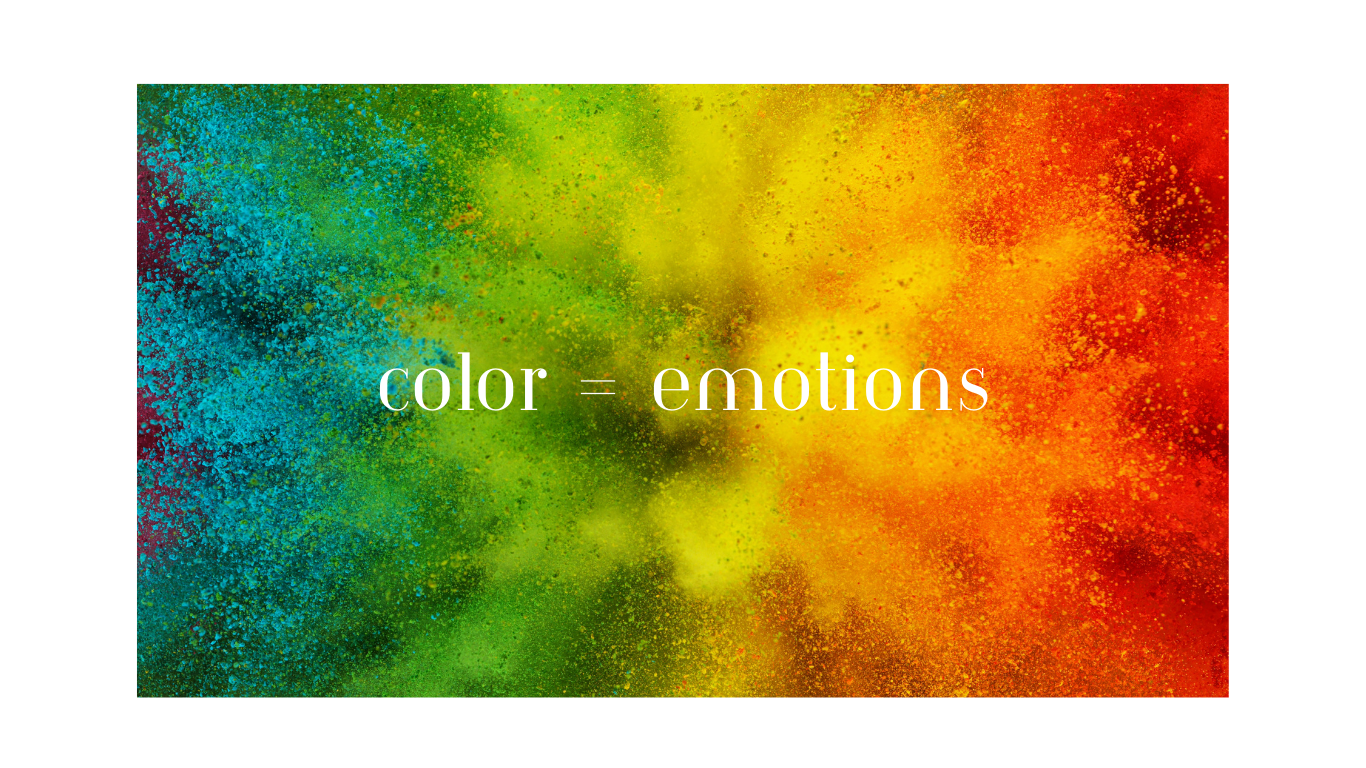
Color is so much more than a design choice—it’s a psychological tool. The colors you surround yourself with influence your mood, energy levels, focus, and even how safe or relaxed you feel in a space. When chosen intentionally, color becomes one of the most powerful elements in creating a home that truly supports the way you live. WOW! Do you know what type of home you want to create? If not, start considering the possibilities right away.
As a color coordinator, I often remind clients: a beautiful room isn’t just one that looks good—it’s one that feels right. When you know, walk into your house at the end of the day and you can take a deep breath, relax and recharge, right? Isn't that what we are all aiming for ultimately? Let’s explore how to use color psychology to create rooms that work for you emotionally and mentally.
1. Start With the Purpose of the Room
Before selecting a paint color or palette, ask a foundational question:
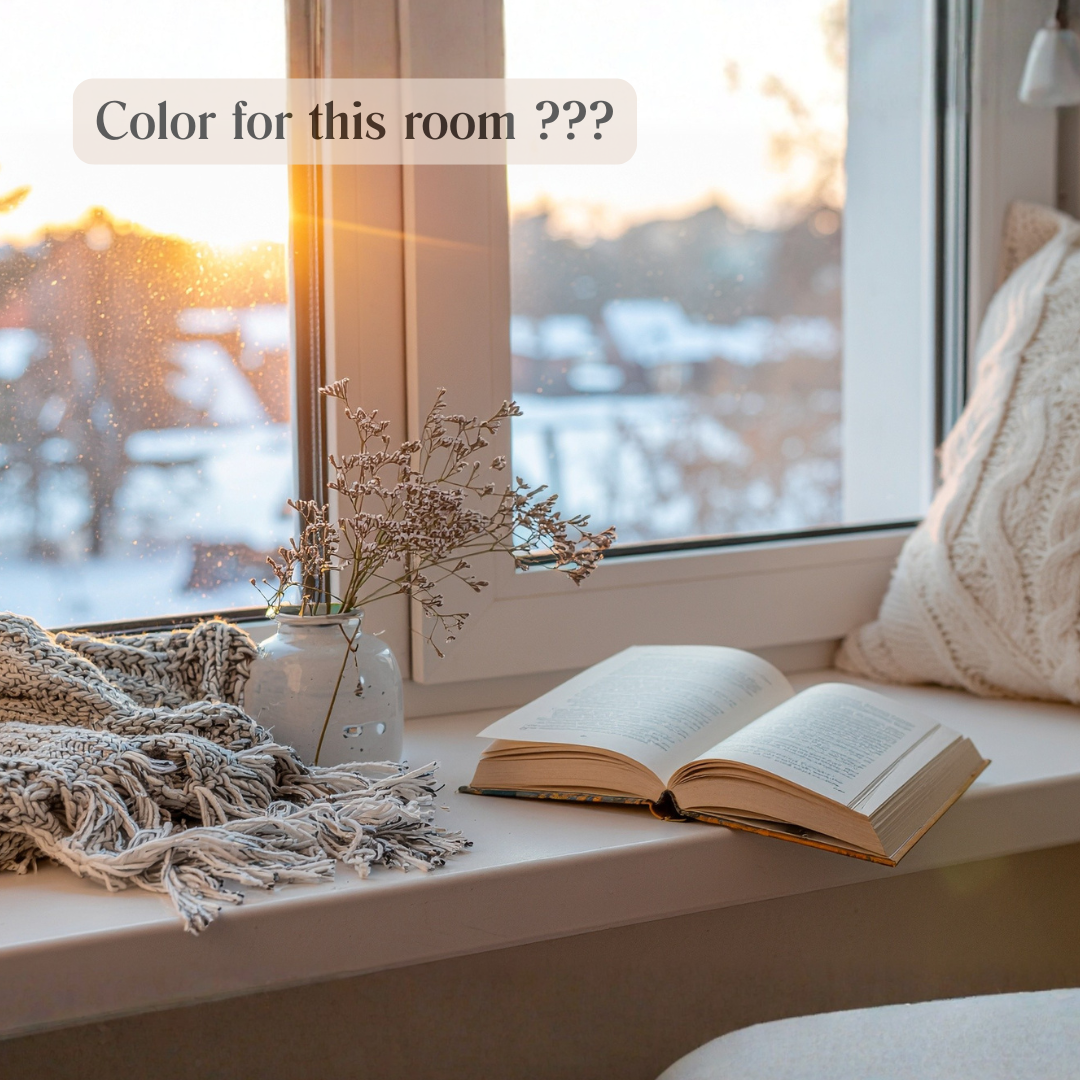
How do I want to feel in this room?
- Bedrooms should restore and calm
- Kitchens should energize and connect
- Living rooms should welcome and ground
- Offices should focus and motivate
- Bathrooms should soothe and refresh
When the emotional purpose is clear, color choices become much easier—and far more effective.
2. Understanding Color Psychology for the everyday person....
Blues: Calm, Focus, Trust
Blue lowers heart rate and reduces stress. It’s ideal for:
- Bedrooms
- Home offices
- Bathrooms
Design tip: Avoid overly cool or icy blues in spaces meant to feel cozy. Soft, muted blues or blue-grays are more emotionally balanced.
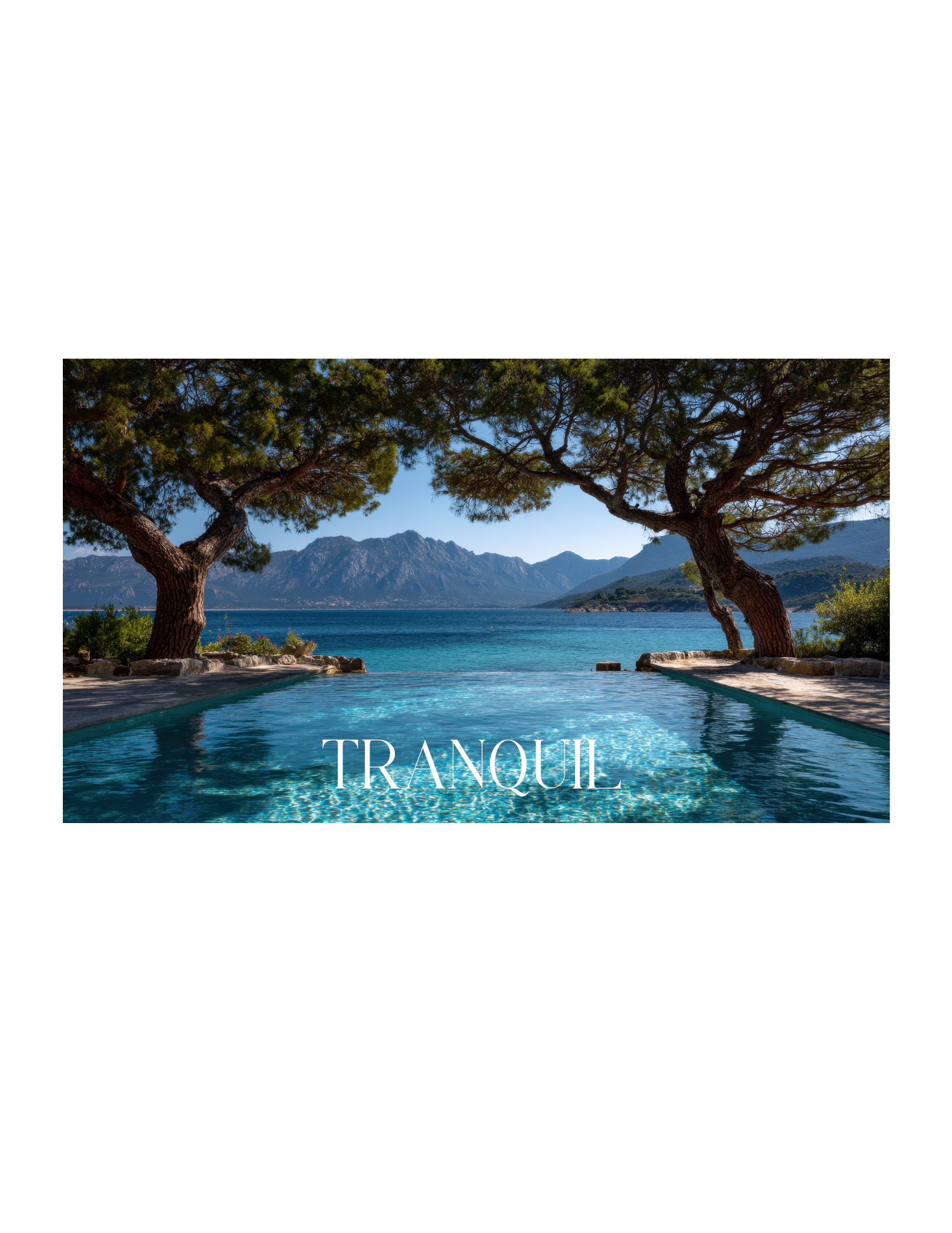
Greens: Balance, Renewal, Stability
Green sits at the center of the color spectrum, making it one of the most psychologically restful colors.
Best for:
- Living rooms
- Bedrooms
- Reading spaces
Design tip: Sage, olive, and mossy greens feel grounding and timeless, while bright greens can feel stimulating if overused.
Yellows: Energy, Optimism, Warmth
Yellow stimulates mental activity and creativity but can become overwhelming if too intense.
Great for:
- Kitchens
- Breakfast nooks
- Laundry rooms
Design tip: Use soft butter tones or warm golden yellows instead of bright lemon shades to avoid anxiety or overstimulation.
Reds: Passion, Energy, Appetite
Red is powerful and emotional. It increases heart rate and appetite.
Best used in:
- Dining rooms
- Accent spaces
- Social areas
Design tip: Deep reds like burgundy or clay feel more sophisticated and less aggressive than bright primary red.
Neutrals: Safety, Simplicity, Flexibility
Neutrals are not “colorless”—they set the emotional baseline of a home.
- Warm neutrals (beige, greige, taupe) feel inviting and comforting
- Cool neutrals (cool gray, stark white) feel clean but can feel cold if not balanced
Design tip: Always identify the undertone of your neutral. Undertones drive emotional response more than the color name itself.
Match Color Intensity to Your Nervous System
One of the most overlooked aspects of color psychology is saturation.
- Highly sensitive or easily overstimulated individuals often thrive in muted, dusty tones
- High-energy or creative personalities may enjoy richer, more saturated hues
If a color feels “too much,” it’s usually not the hue—it’s the intensity.

Create Flow, Not Color Chaos
Rooms don’t exist in isolation. When colors abruptly shift from space to space, the brain registers tension.
To create psychological ease:
- Repeat undertones throughout the home
- Transition gradually between color families
- Use one dominant neutral as your anchor
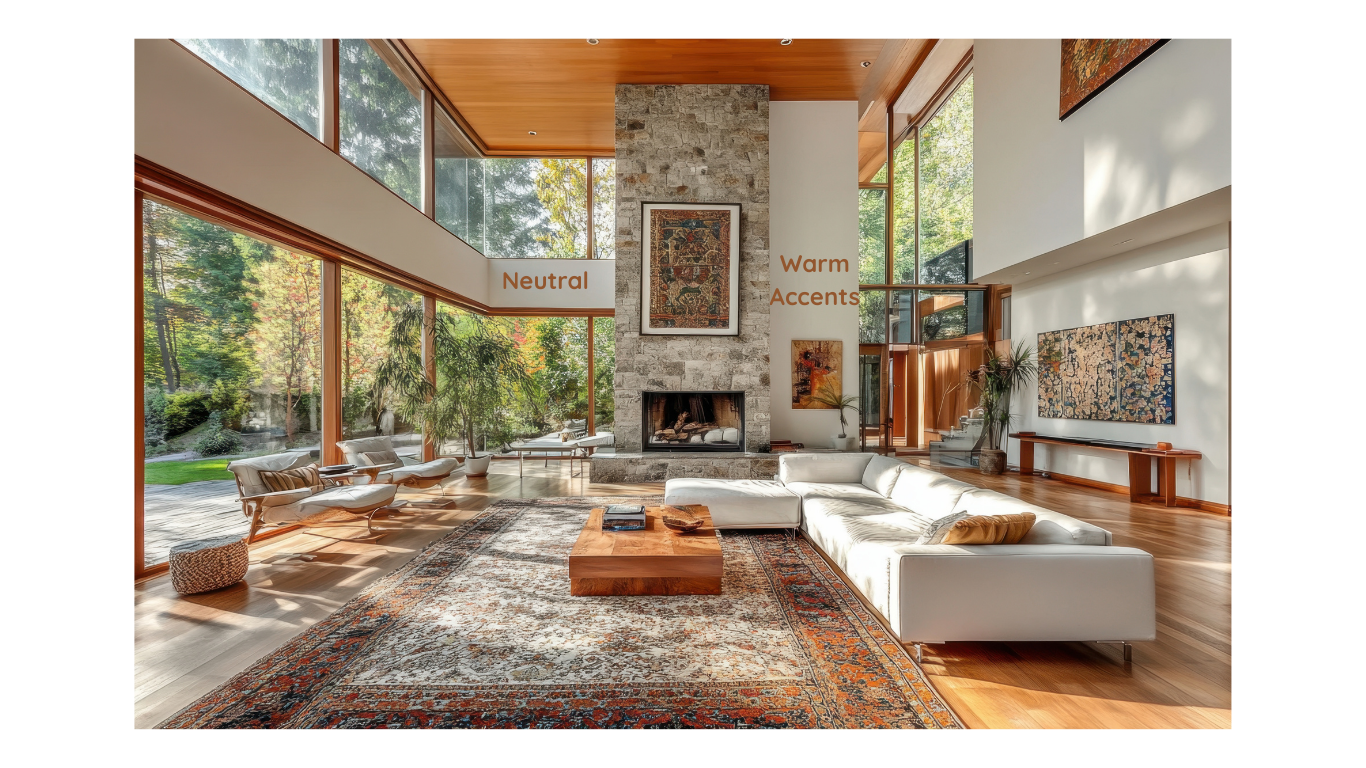
This creates visual predictability, which the brain interprets as calm.
Let Lighting Finish the Story
Lighting dramatically alters how color is perceived emotionally.
- North-facing rooms cool colors down
- South-facing rooms warm colors up
- Artificial lighting can add yellow or blue casts
Design rule: Always test paint samples in the actual room at different times of day before committing.
When Color Is Working, You Feel It
Clients often tell me, “I don’t know why, but this room just feels better.”
That’s when color coordination is doing its job.
A psychologically supportive home:
- Reduces stress
- Improves focus
- Encourages rest
- Supports connection
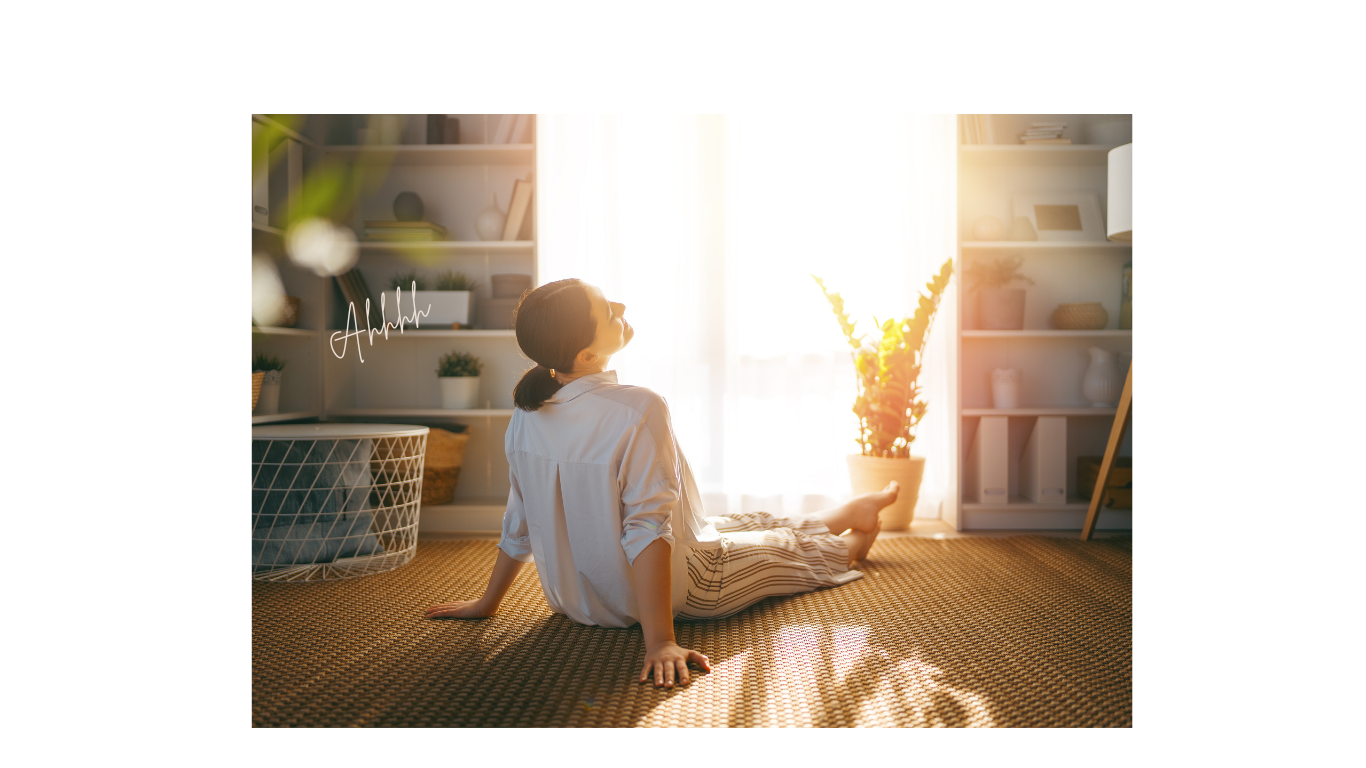
And it all starts with intentional color choices.
Need Help Choosing the Right Colors?
Color coordination is both an art and a science. If you feel overwhelmed by options or unsure why certain colors don’t feel right in your home, a professional color consultation can save time, money, and frustration—while creating a space that truly supports your well-being.